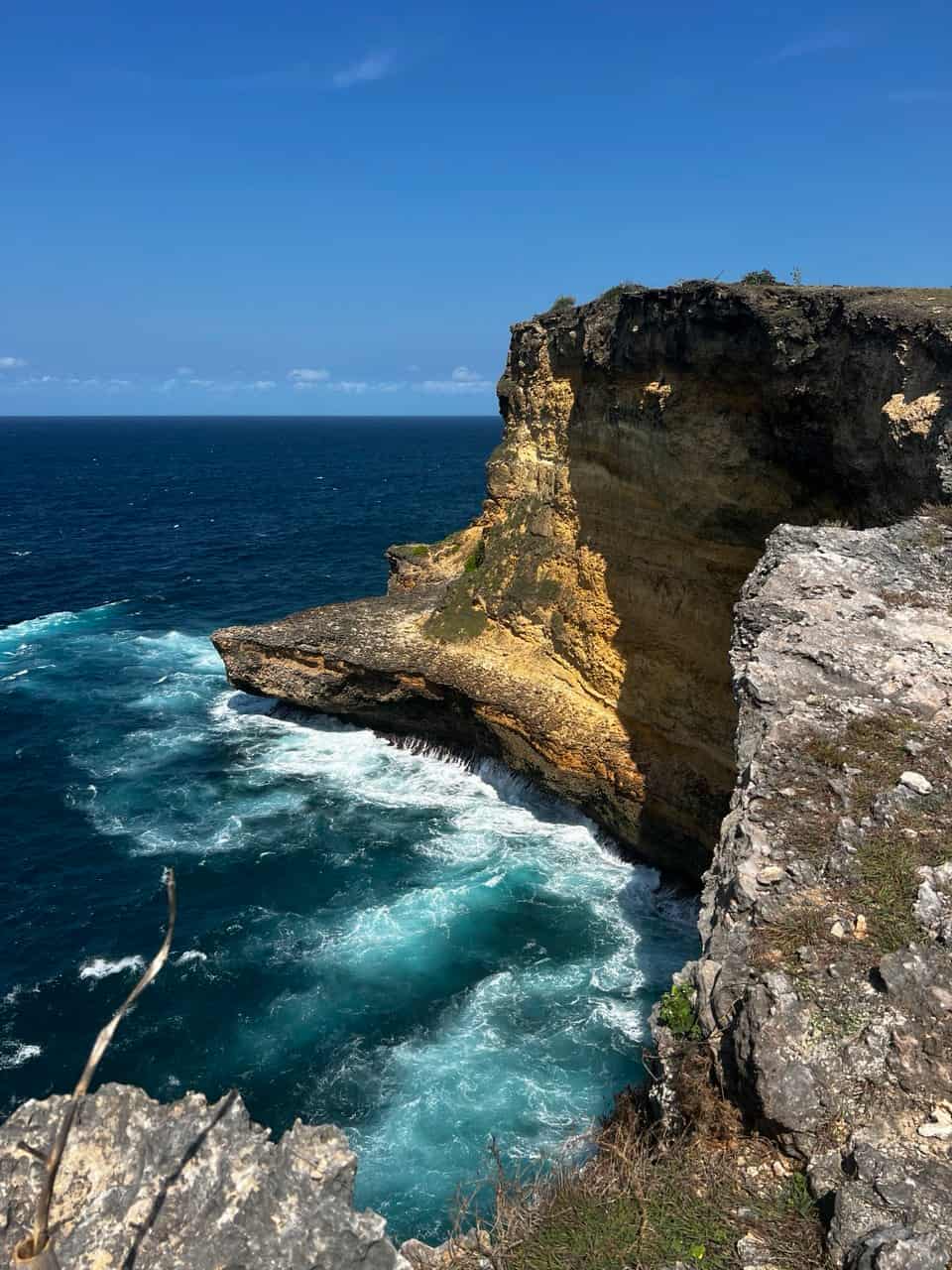
South Lombok remains one of Southeast Asia's most affordable destinations for expats and investors, with day-to-day costs — dining, transport, utilities, domestic help — sitting well below those of Bali or comparable tropical markets. That affordability, paired with rising property values driven by the Mandalika Special Economic Zone and new infrastructure, makes it an increasingly attractive base for both lifestyle and investment.
What it really costs to live here — rent, food, staff, transport and a realistic monthly budget for expats and remote workers.
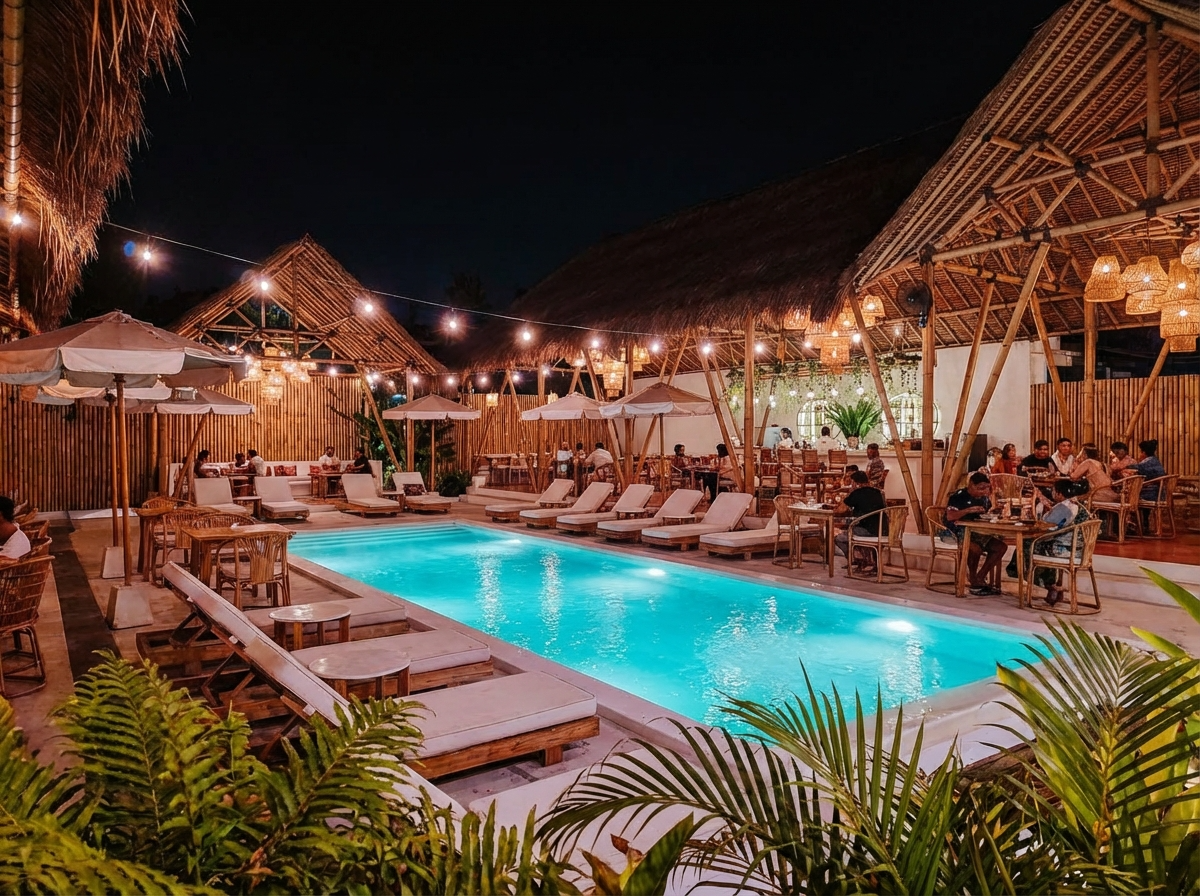
A couple lives comfortably in South Lombok on €1,200–2,200 a month with villa rent included, and on roughly €700–1,200 once the rent line disappears because you own the house. Rent and dining run 20–40% below Bali’s expat hubs; imported goods cost about the same, because the supply chain is the same.
The pace is slower than Bali and the beaches are emptier; the trade-off is fewer international schools and a shorter list of specialists.
Your monthly spend depends heavily on lifestyle: a local-style life can be very cheap, while imported goods, international schooling and frequent fine dining push costs up. Below are realistic mid-range figures for 2026.
Monthly for a couple, in euro: villa rent 500–1,000, food and groceries 250–450, eating out 150–350, transport 60–400, utilities and fibre 80–150, part-time household help 150–300, international health insurance 80–200. Total 1,200–2,200. A local meal costs €3–5, a western one €10–20.
| Category | Monthly cost (EUR) | Notes |
|---|---|---|
| Villa rental (long-term 1–2BR) | €500 – €1,000 | Owning eliminates this |
| Food & groceries | €250 – €450 | Local + some imported |
| Dining out / cafés | €150 – €350 | €3–5 local, €10–20 western |
| Transport (scooter or driver) | €60 – €400 | Scooter to private driver |
| Utilities & internet | €80 – €150 | Electricity, water, fibre |
| Household staff (optional) | €150 – €300 | Cleaner / part-time helper |
| Health insurance | €80 – €200 | International cover advised |
| Total (couple) | €1,200 – €2,200 | Comfortable mid-range |
Indicative 2026 estimates. Owning your villa removes the largest line item — rent — and can flip the property into income when you are away.
Three things decide whether it works. Healthcare: local clinics cover routine care, anything serious means a flight to Bali or Singapore, so international insurance is not optional. Connectivity: fibre reaches the Kuta Lombok area and works for remote jobs, with a mobile line as backup. Visas: from tourist stays to the second-home and investor KITAS routes.
Local clinics handle routine care; for serious matters many expats travel to Bali or Singapore. International health insurance is strongly recommended.
Fibre internet is available in the Kuta Lombok area and improving steadily — workable for remote work, though a backup mobile connection is wise.
Options range from social/tourist visas to the longer-stay second-home and investor (KITAS) routes. Owning property via a PT PMA can support certain visa pathways — see our PT PMA guide.
Three layers sit between gross rent and your account: OTA commission of about 18%, a management fee of around 20% of what is left, and €5,000–6,000 a year to run a two-bedroom villa with a pool. On our own model that turns €27,000–46,000 of net revenue into €17,000–33,000 of net income.
When evaluating a villa investment, the monthly cost of living in South Lombok is only half the picture. Equally important are the recurring operational costs that sit between your gross rental income and what actually reaches your account. These include property management fees, villa staff wages, utility bills, routine maintenance, pool servicing, and periodic refurbishment. In South Lombok, all of these remain meaningfully lower than comparable markets in Bali or Southeast Asian resort destinations further along the development curve — a structural advantage that helps protect net yields even as gross rental rates mature over time.
Staff costs are a particular standout. Employing a villa housekeeper, groundskeeper, or property caretaker in South Lombok carries a fraction of the cost you would face in Europe or Australia, and wages remain broadly in line with the local economy rather than an inflated expatriate one. This keeps the gap between gross and net returns tighter than investors accustomed to Western property markets might expect. Combined with the full property and rental management service available through Samudra Villas, owners who are not based in Indonesia can keep operational oversight straightforward without sacrificing income performance.
It is worth factoring these cost advantages in early, ideally before you finalise your investment assumptions. A villa producing indicative gross short-term rental yields in the range the South Lombok market currently supports will look quite different on a net basis depending on how efficiently it is managed. Buyers who engage with those operational details at the off-plan stage — rather than retrospectively — tend to make more grounded decisions. For a deeper look at how yields work in practice, the rental yields guide and the PT PMA ownership page are useful starting points before booking a call with the team.
How much do I need per month to live comfortably?
Around €1,200–2,200 for a couple living a comfortable mid-range lifestyle, including villa rent. Owning your home removes the rent line and lowers this substantially.
Is South Lombok cheaper than Bali?
Generally yes — rent and dining run 20–40% lower than Bali's expat hubs. Imported goods cost similar amounts because of shared supply chains.
Can I offset living costs by renting my villa?
Yes. Many owners live in the villa part of the year and place it on short-term rental when away, where gross yields of 8–12% can cover or exceed their living costs. See our rental yields guide.
Samudra Villas — 2-bedroom villas with private infinity pool and ocean views. Live in it, rent it, or both.
From €255,000 · Two of six villas released for sale
Cost estimates are indicative and vary by lifestyle, season and exchange rate. This page is informational only and does not constitute financial advice.